Leave a Message

Thank you for your message. I will be in touch with you shortly.

Browse Properties

Ski In Ski Out Living In Mountain Village

March 5, 2026

Imagine clicking into your skis on your own patio, gliding to a high-speed chair in minutes, and wrapping the day with a soak and a relaxed walk to dinner. If that is your ideal winter rhythm, ski-in/ski-out living in Big Sky’s Mountain Village belongs on your shortlist. You want easy access, services that simplify ownership, and clear answers on rentals, taxes, and year-round use. This guide gives you a practical look at what ski access really feels like, the types of properties available, key ownership rules, and a buyer checklist tailored to Mountain Village. Let’s dive in.

What ski-in/ski-out means here

Ski access is not one-size-fits-all. Listings often use the term broadly, so it helps to sort options by real-world convenience.

Access tiers to expect

  • Tier A: True doorstep slopeside. You clip in within a minute or two and glide to a primary lift.
  • Tier B: Short connector or groomed traverse. Expect a 3–8 minute slide to reach a main lift.
  • Tier C: Short walk or shuttle. You may carry skis for a few minutes or hop a frequent shuttle.
  • Tier D: Drive or shuttle required. You will not practically ski from the door.

Always verify the route in winter conditions. Ask to see the line from the building to named runs, and confirm how you return at day’s end. Many core Village condo-hotels and low-rise buildings fall into tiers A–B, while townhomes on the village edge may be B–C.

The daily rhythm on snow

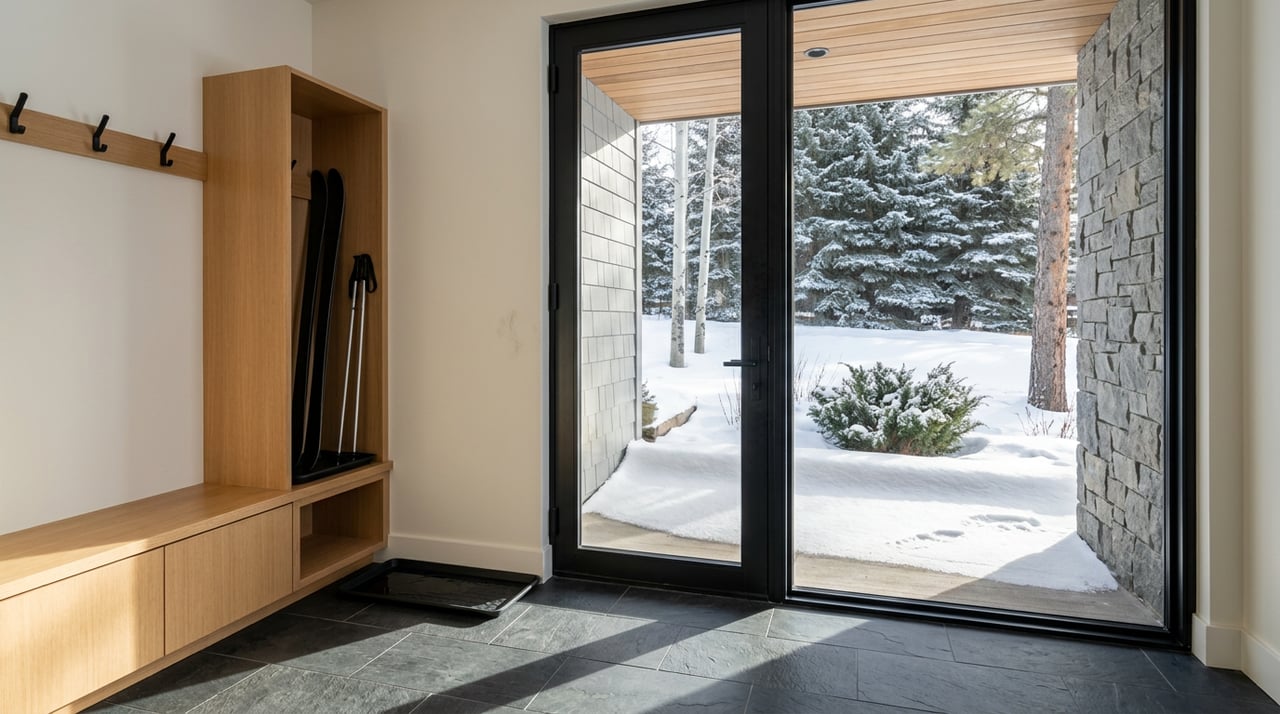
In Mountain Village, mornings are built for momentum. You gear up using dedicated owner storage, step out to the Exchange plaza or a groomed connector, and reach a high-speed chair within minutes. The upgraded lift network, including modern chairs like Ramcharger and Swift Current, is designed to move you efficiently from base to terrain. You finish with après on the plaza or a quiet evening in your building’s spa or lounge.

Why Mountain Village draws buyers

Mountain Village sits at the heart of Big Sky Resort, one of North America’s largest ski areas. The mountain offers about 5,850 acres of skiable terrain, roughly 4,350 feet of vertical, a summit near 11,166 feet, and about 400 inches of average annual snowfall, with a base elevation near 7,500 feet. You can review terrain and mountain stats on the resort’s official overview to get a feel for scale and conditions. Explore details on the resort’s mountain info.

At the base, you will find the Exchange and Vista Hall food hall, plus several après spots and restaurants that keep the village lively without adding complexity to your day. For a quick look at the scene and seating options, check out a visitor’s take on Vista Hall and the Mountain Village vibe.

Recent capital projects have improved both lift access and the base-area experience. The resort’s Big Sky 2025 plan includes replaced and upgraded lifts and a refreshed village core. You can see what is already complete on the resort’s 2025 completed projects page.

Property types that fit a lock-and-leave lifestyle

Condo-hotel residences

These are full-service units in buildings that feel like a modern hotel. You typically get on-site concierge, optional housekeeping, ski storage, and heated parking. Many offer optional in-house rental programs that handle guest communications and logistics, which can be helpful if you plan occasional short stays between personal use.

Low-rise condos and courtyard buildings

These one- to three-bedroom homes commonly appeal to second-home owners who want simple access and straightforward operations. Expect features like dedicated owner lockers, in-unit or shared laundry, and proximity to shuttles or connectors that shorten the glide to lifts.

Townhomes and multi-bedroom slope homes

If you travel with a larger group, townhomes can deliver private living zones and garages while still keeping you close to groomed connectors or village paths. These often land in the B–C access tiers, so pay close attention to the exact route in and out.

Luxury branded residences

Branded developments in the greater Big Sky area, such as Montage and One&Only offerings adjacent to base and club infrastructure, bring elevated services that maximize ease of ownership. For a broader look at how branded luxury has expanded in Big Sky, review this Forbes overview of Montage’s entrance to Big Sky.

Ownership logistics you should know

Short-term rental rules and taxes

Rules for nightly rentals vary by building and by county. Big Sky spans both Gallatin County and Madison County, so confirm which county governs your parcel and how that affects approvals and licensing. Gallatin County publishes helpful guidance on registration and enforcement that can inform your questions with any county. See the county’s short-term rental FAQs.

For short stays, you should account for lodging taxes. Montana’s combined state lodging facility sales and use tax totals 8 percent, and properties in the Big Sky Resort Area District also collect a resort tax currently administered locally at 4 percent. Read the state’s overview on lodging facility taxes and confirm how your operator collects and remits.

HOA covenants, conditions, and restrictions can further shape what is allowed. Some associations limit or ban nightly rentals, restrict lock-offs, or set minimum stays. Ask for current bylaws, meeting minutes, and any pending rule changes.

Deed restrictions and local housing programs

Some units in the Big Sky community carry deed restrictions to support local workforce housing, which typically prohibit short-term rentals. Understanding these restrictions helps explain why certain inventory is not available for nightly use. Learn more about local programs through the Big Sky Community Housing Trust.

Parking, snow management, and access

In winter, small logistics matter. Ask how parking is assigned, whether it is heated or underground, and how snow removal is handled on drives and walkways. Clarify any gated access, plowing schedules, and off-season maintenance requirements. If you plan to visit without a vehicle, verify building shuttle options and walking distances to lifts and the Exchange.

Year-round perks from your front door

Mountain Village living does not go quiet when the snow melts. Lift upgrades and new connections under the Big Sky 2025 program expand summer access for scenic rides and mountain activities. The resort’s improvements, including a replaced Lone Peak Tram and ongoing connectivity projects, make it easier to move from the Village to alpine experiences. You can see recent updates on the resort’s 2025 project page.

For summer, the bike park and community trails offer variety for riders and hikers. Restaurants shift to summer hours, but the Exchange remains a hub for meals and events. If you are picturing days on two wheels, start with this overview of mountain biking in Big Sky.

Tram access policies have evolved as the new infrastructure came online, and the resort has adjusted pass and ride rules to manage demand. Before you plan a summit day, check current guidance. Here is a recent summary of updated Lone Peak Tram policies to highlight why it pays to confirm details each season.

Who buys in Mountain Village

The Mountain Village market skews premium. Buyers are typically second-home owners who value quick lift access and services, or investors who want a slopeside address with optional rental programs. Supply tightens at the true slopeside tier, and premiums reflect both access and amenities like ski valet, concierge, pools, spas, and heated parking. Market snapshots in recent seasons show multi-million-dollar median listing prices across the broader Big Sky area. If you are comparing to Meadow or Town Center neighborhoods, remember that the ski access, on-site services, and limited slopeside inventory are the key drivers of value here.

Buyer checklist for Mountain Village

Use this list to focus your search and due diligence.

  1. Confirm parcel and county. Determine whether the property sits in Gallatin or Madison County and ask the relevant planning department to interpret short-term rental rules for that parcel. Start with Gallatin’s short-term rental FAQs for a sense of the process and terminology.
  2. Verify HOA rules. Request covenants, bylaws, and recent meeting minutes. Confirm any nightly rental limits, minimum stays, or owner-occupancy requirements.
  3. Test the ski route. On a winter map, identify the connector and return path. Ask to see the exact line from the building to named runs and confirm where you stop at day’s end.
  4. Confirm services. Ask about concierge, housekeeping or in-house rental operations, owner storage, ski valet, front-desk coverage, and on-site maintenance contacts.
  5. Understand costs and taxes. Budget for HOA dues, property taxes, resort assessments, and lodging taxes. Review the state’s lodging facility tax guidance and how your operator handles collection and remittance.
  6. Clarify access and utilities. Verify parking type, snow removal, plowing schedules, cell coverage, and any seasonal utility work or road closures.
  7. If rental potential matters. Request historical occupancy and revenue for comparable units, confirm whether the building offers an in-house program, and estimate net after management fees, cleaning, maintenance, and taxes.

Work with a local advisor who thinks like an owner

Ski-in/ski-out living is about more than a front-row lift line. It is a daily ease that comes from the right building, the right services, and clear rules that fit how you plan to use the home. You deserve advice that blends lifestyle insight with operational know-how.

As a locally anchored broker with integrated property operations through Go Big Properties, I help you evaluate access tiers, review HOA documents, confirm county and tax requirements, and plan for post-closing stewardship. Whether you want a polished condo-hotel suite for winter weekends or a townhome that suits year-round use, we will build a strategy that feels effortless from day one.

Ready to explore Mountain Village slopeside options and get a clear plan for ownership? Connect with Cassie Farr to get started.

FAQs

What qualifies as true ski-in/ski-out in Big Sky’s Mountain Village?

  • Tier A access means you can clip in at your building and glide to a primary lift within a minute or two, with a defined return route to your door at day’s end.

Are nightly rentals allowed in Mountain Village condos?

  • It depends on county rules and HOA bylaws for each building; confirm parcel county and association documents before assuming nightly rentals are permitted.

How close is Mountain Village to the nearest airport?

  • Big Sky is typically under an hour’s drive from Bozeman Yellowstone International Airport, depending on weather and exact destination within the resort area; see a concise overview of area access and basics.

What amenities define a lock-and-leave ski home in Mountain Village?

  • Look for concierge or front desk, ski valet and storage, heated or underground parking, on-site maintenance contacts, and optional housekeeping or in-house rental operations.

Is Mountain Village a good base for summer activities?

  • Yes. The resort’s lift network supports scenic rides, and the bike park plus community trails offer strong summer traction; review mountain biking options.

How are lodging taxes handled on short stays in Big Sky?

  • Montana’s state lodging facility taxes total 8 percent, and properties in the Big Sky Resort Area District also collect a 4 percent resort tax; confirm collection and remittance details with your operator and see the state’s lodging tax overview.

Work With Cassie

Contact Cassie today to learn more about her unique approach to real estate and how she can help you get the results you deserve.