Your Bozeman MT Lifestyle Guide to Everyday Living
February 5, 2026
February 5, 2026
Wondering what day-to-day life in Bozeman really feels like? Maybe you are drawn to the mountains, the university energy, or the idea of a true four-season lifestyle. If you are weighing a move, you want a clear picture of neighborhoods, costs, commute rhythms, and how Bozeman works as a home base for skiing and summer adventures. This guide breaks it down so you can decide if life here fits your goals. Let’s dive in.
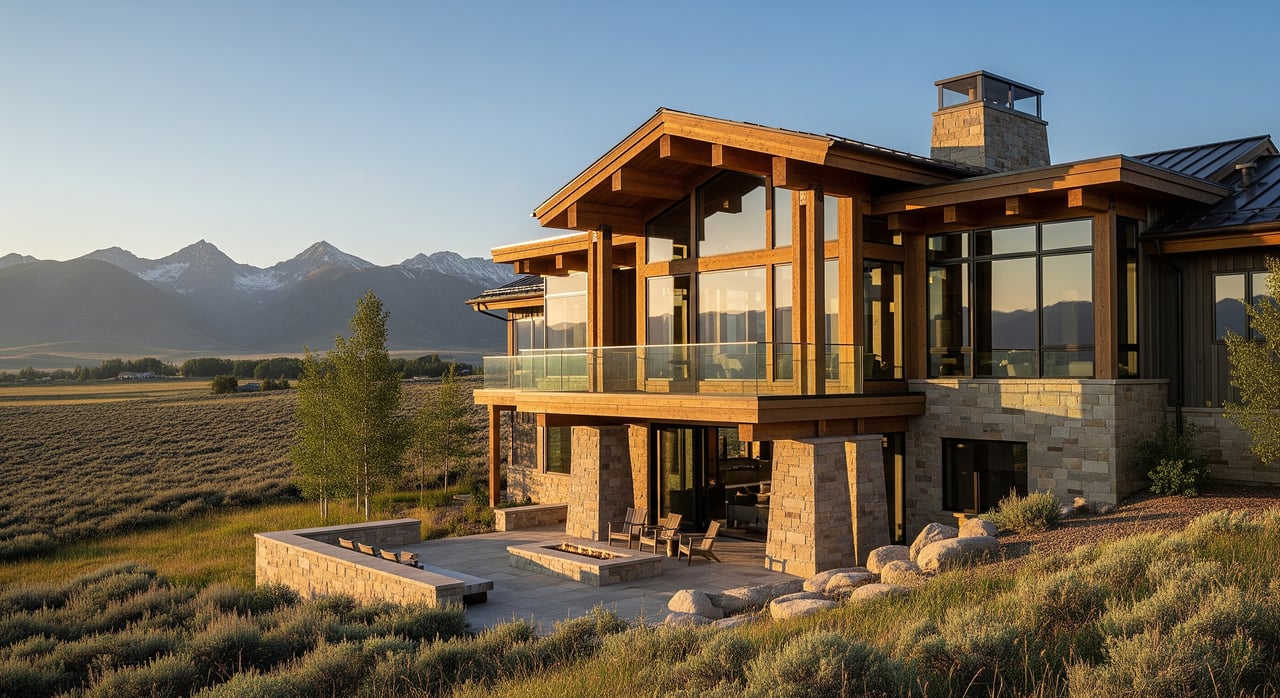
Bozeman is a growing mountain hub with the feel of a small city. You get the pace of a university town, access to health care and professional services, and quick reach to trailheads and resort terrain. Montana State University adds year-round arts, lectures, and college sports, while the outdoor culture shapes weekends across every season.
The city serves as the core of the Gallatin Valley. It is the place where you shop, catch a flight, see a specialist, and meet friends for dinner. Many residents live in Bozeman and ski at Bridger Bowl during the week, then head to Big Sky for bigger resort days.
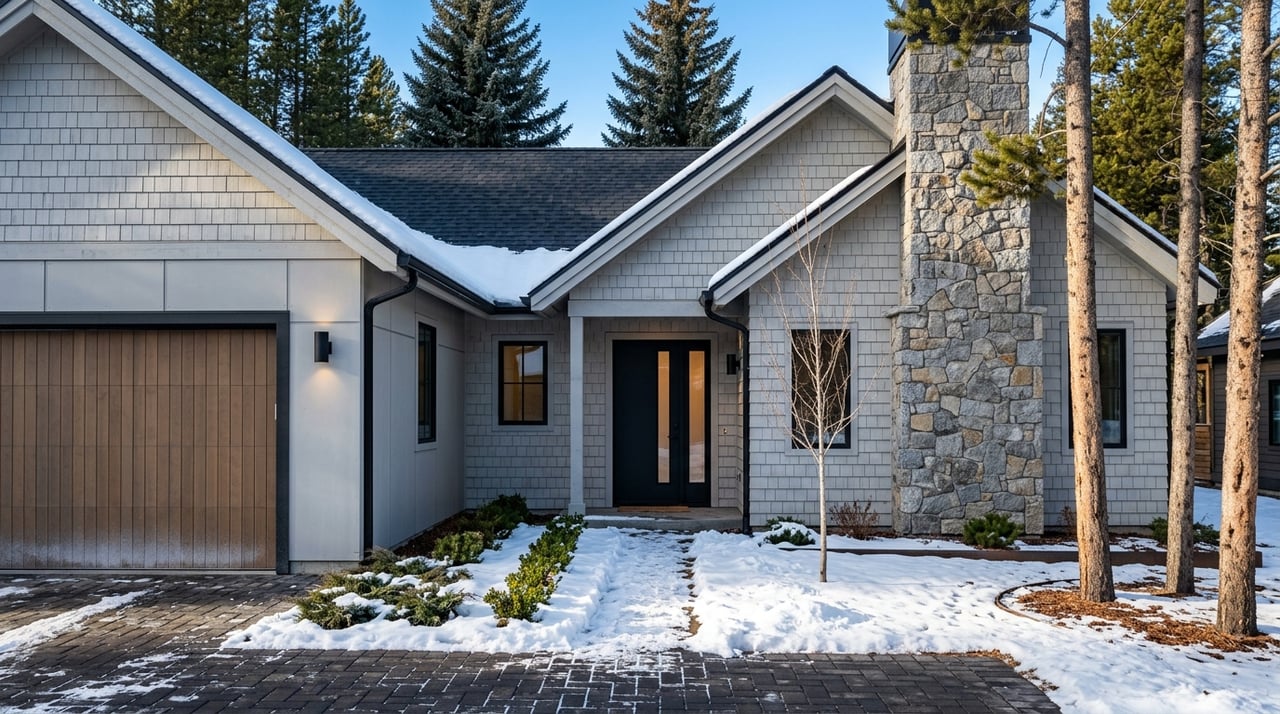
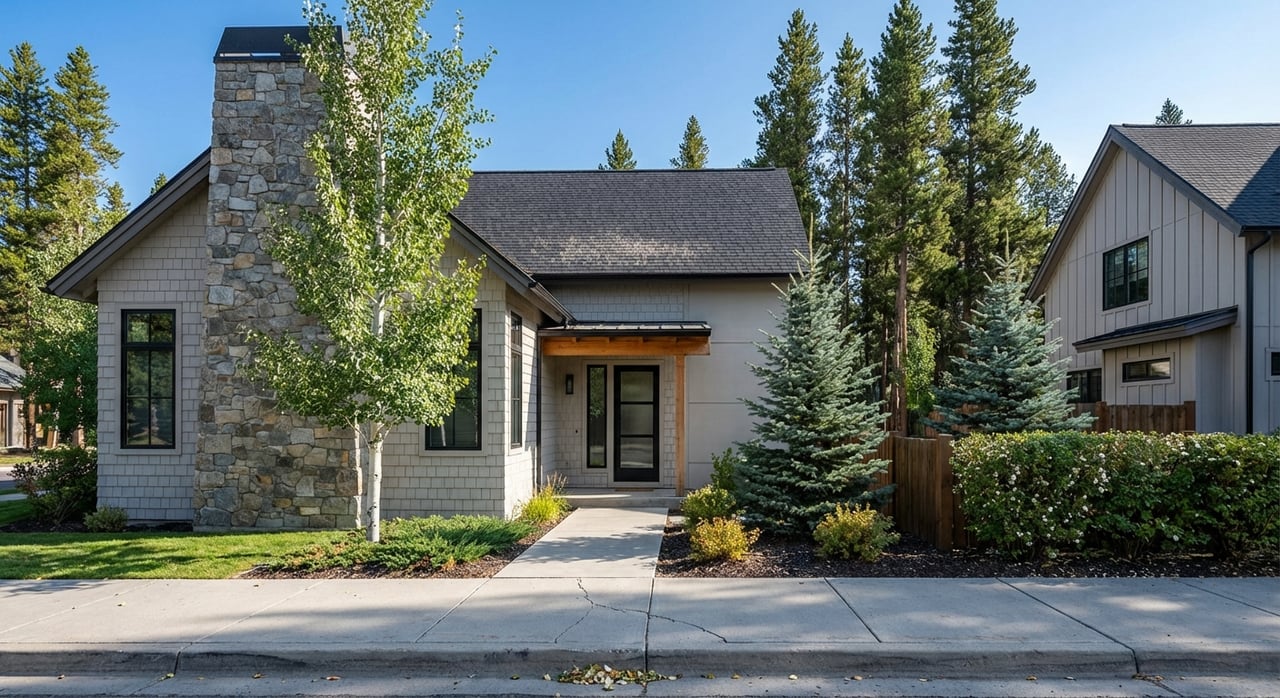
Bozeman offers a mix of housing types and settings. You will find in-town single-family homes, townhouses, infill condos near the core, and newer subdivisions at the edges of the city. Rural acreage and hobby farms sit in the surrounding valley for buyers seeking space.
Neighborhood patterns to know:
If trail proximity matters, many neighborhoods sit within a 5 to 20 minute drive of popular foothill trailheads and multi-use paths. That quick access is a defining part of daily life here.
You have a full set of everyday services in town. Grocery options include national chains and local grocers, and seasonal farmers’ markets are a community staple. Dining has grown with in-migration, with cafés, breweries, farm-to-table spots, and casual bars. The scene is diverse for a small city, though it is smaller than major metros.
For routine needs, you will find hardware stores, gyms, veterinary care, banks, and professional services across the city. Many residents keep errands within a short radius and plan bigger shopping days around peak seasons and visitor traffic.
Local commutes within Bozeman are often short, especially if you live near where you work or study. Traffic can bunch up during peak hours and on busy recreation days. If you travel from nearby towns or exurban subdivisions, expect longer drive times and seasonal variability.
Public transit exists but is limited compared with larger cities. Bike infrastructure is growing, and many residents ride to errands and trails in fair weather. Bozeman Yellowstone International Airport in Belgrade is the region’s main gateway. Most drives from central Bozeman take about 10 to 25 minutes depending on traffic and starting point.
Life in Bozeman follows the seasons, and that is part of the appeal.
Winter:
Spring and Fall:
Summer:
Seasonal rhythm matters for planning. Expect more activity downtown and at trailheads in summer, along with winter traffic heading to the mountains on weekends and holidays.
Bridger Bowl sits closest and feels like the community’s home mountain. Many locals head up for morning laps and are back in town by lunch. Big Sky Resort delivers a larger, destination-style experience with expansive terrain and resort amenities. Some residents choose to live in Bozeman and keep a secondary property in Big Sky to balance convenience and access.
Bozeman’s market has seen strong demand and tight inventory over the past decade. Periods of rapid price appreciation have been followed by stretches of cooling or flattening. Competition for homes near schools, parks, or trail access can push prices higher. New construction continues but often trails demand.
Affordability is a mixed picture. Prices and rents are generally higher than Montana’s state average and nearby rural communities. If you are relocating from a higher-cost metro, some categories may feel more manageable while housing can still surprise you.
Practical tips:
Your monthly budget will look different here than in major coastal cities. Some services may cost less, others more. Montana has no statewide sales tax, which helps on large purchases. Property taxes vary by county and municipality, and school district levies can affect your bill. Winter utilities are a meaningful line item, so insulation and energy efficiency are worth attention when you compare homes.
Bozeman Public Schools is the primary K–12 district serving the city. You also have private and charter options. Enrollment growth tends to mirror the valley’s population growth, so it is smart to review district reports and boundary maps when you plan a move. As a college town, Bozeman benefits from Montana State University, which brings academic programs, performances, and continuing education opportunities.
Bozeman Health anchors the local healthcare network with a regional hospital and specialty care. Many specialists practice in town. For some advanced procedures, residents still travel to larger metro centers. For everyday needs, medical and wellness services are widely available.
Bozeman has a mountain-influenced continental climate. Winters are cold and snowy. Summers are warm and generally dry with big day-to-night temperature swings. Spring and fall can change quickly, so layers are essential.
If you plan to drive mountain roads in winter, prepare your vehicle for snow and ice. Winter tires and awareness of conditions help, especially on routes to Big Sky or over passes. In summer, regional wildfire smoke can affect air quality at times. Seasonal snowmelt raises river levels, so review local floodplain maps when you evaluate property near waterways.
Choose Bozeman if you want four-season outdoor access, a university pulse, and a small-city network of services. You will trade some big-city amenities for trails and open space within easy reach. You will also notice busier periods during peak ski days and summer tourism.
If your lifestyle includes trips to Bridger Bowl and Big Sky, Bozeman works well as a home base. Many residents build routines around weekday skiing, evening lectures or games at MSU, and quick getaways to Hyalite or Yellowstone gateway towns.
If you are exploring a move within the Gallatin Valley or plan to own in both Bozeman and Big Sky, you deserve guidance that blends lifestyle insight with practical operations. Whether you want a primary home, a second home near the resorts, or an income-producing property with long-term management, start with a clear plan and trusted local advice. Ready to map neighborhoods, compare options, and time the market to your goals? Work with Cassie Farr.
Stay up to date on the latest real estate trends.
Contact Cassie today to learn more about her unique approach to real estate and how she can help you get the results you deserve.

245 Town Center Ave Unit 1E Big Sky, MT 59716